
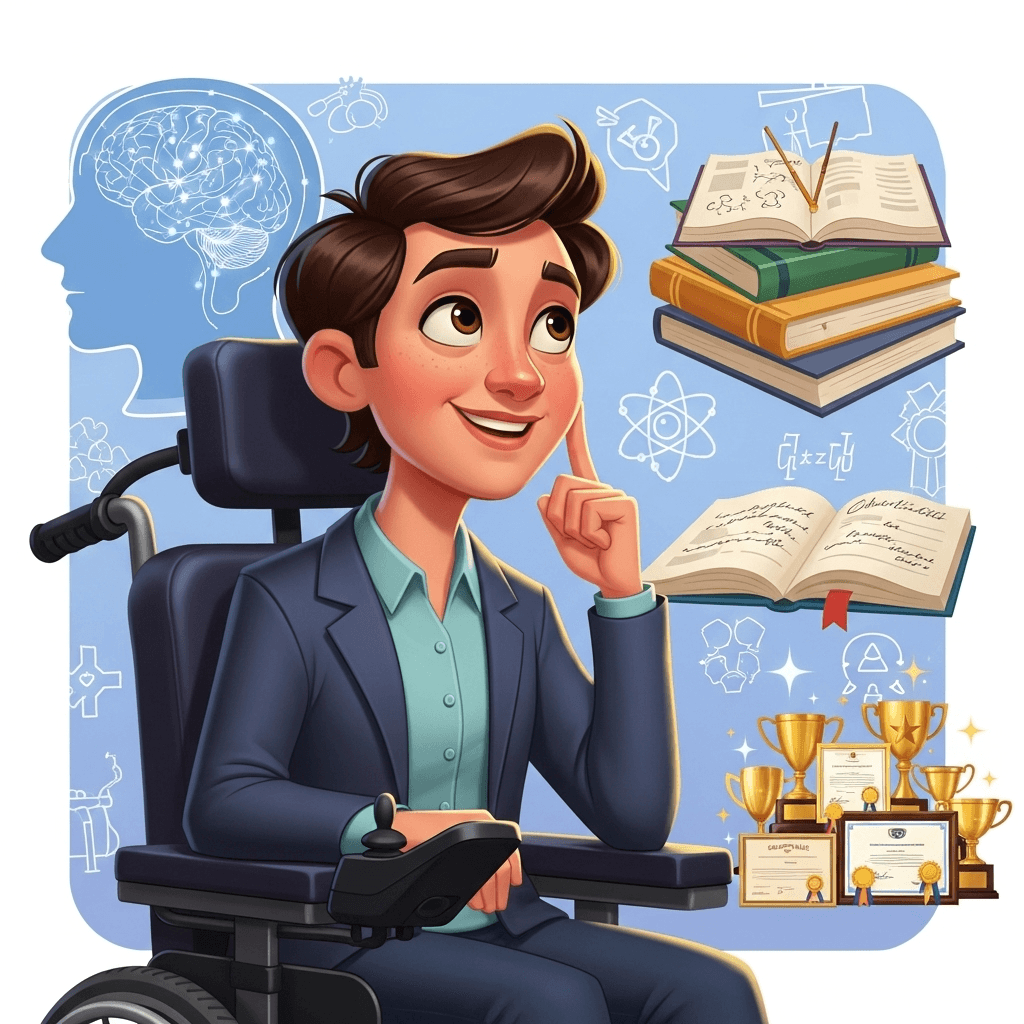
The question, Does CP affect thinking? is one of the most profound and common concerns for parents after their child receives a cerebral palsy diagnosis. As you watch your child navigate the challenges of a motor disability, it is natural to worry about how the condition impacts every aspect of their development, including their mind.
The answer to this question is complex, and it is vital to separate myth from fact. Cerebral palsy itself is a motor disorder, but because it is caused by a brain injury, that same injury can also impact cognitive function. However, it doesn’t always, and the two are not automatically linked.
This guide is designed to clarify this relationship, debunk harmful stereotypes, and explain how a child’s intellectual potential can be supported and unlocked. At CP Family Help, we believe in advocating for the whole child both body and mind.
Fact 1: CP is a Motor Disorder at Its Core
This is the most fundamental fact to understand. By definition, cerebral palsy (CP) is a condition that affects the brain’s ability to control muscles, leading to issues with movement, posture, and balance. It is not, by definition, an intellectual disability.
The severity of a child’s physical disability is not a reliable indicator of their cognitive ability. It is entirely possible for a child with severe physical challenges who is non-verbal and uses a wheelchair to have a gifted intellect. Conversely, a child with very mild physical symptoms might have a co-occurring learning disability. This is why asking “Does CP affect thinking?” has no simple yes or no answer for the condition as a whole; it is unique to each individual. You can learn more about this in our High IQ with Cerebral Palsy Guide.
Fact 2: The Brain Injury Determines the Impact on Cognition
The key to understanding the relationship between CP and thinking lies in the location and extent of the original brain injury.
- If the injury is confined to the motor centers of the brain (like the motor cortex or cerebellum), a child’s ability to think, reason, and learn may be completely unaffected.
- If the brain injury is more widespread, it can also damage areas responsible for cognitive function, leading to co-occurring conditions.
When CP affect thinking, it can manifest in several ways:
- Intellectual Disability: This occurs in about 50% of individuals with CP, meaning the other 50% have average or above-average intelligence. It is crucial to remember that an intellectual disability exists on a spectrum from mild to severe.
- Learning Disabilities: A child may have a normal IQ but struggle with specific academic skills like reading, writing, or math.
- Attention-Deficit/Hyperactivity Disorder (ADHD): Issues with focus, attention, and impulsivity are more common in children with CP.
- Executive Function Challenges: Difficulty with planning, organizing, and multi-tasking.
Reputable sources like the University of Michigan’s Health Library provide detailed information on the conditions that can co-occur with cerebral palsy.
Fact 3: True Cognitive Ability Can Be Masked by Physical Challenges
One of the greatest injustices for a person with CP is having their intelligence underestimated because of their physical limitations. A bright mind can be “locked in” or trapped by a body that cannot easily communicate its thoughts.
It is incredibly difficult to assess what a child is thinking if they have:
- Severe dysarthria, making it difficult or impossible to speak clearly.
- Poor fine motor control, making them unable to write or type.
- Limited physical ability to even point to a correct answer.
This is why proper evaluation and the right technology are critical. A skilled psychologist must use non-verbal cognitive tests to accurately assess a child’s intelligence. Furthermore, assistive technology, such as speech-generating devices or eye-gaze systems, can provide a non-verbal child with a voice, allowing them to finally show the world how they think.
How to Support Your Child’s Intellectual Development
The question is not just “Does CP affect thinking?” but also “How can we help our child reach their full intellectual potential?” The answer lies in providing access to the best possible tools and support.
The Problem: The very things needed to bridge the physical-cognitive gap specialized testing, one-on-one educational aides, private tutors, and expensive assistive technology are incredibly costly. They are often not fully covered by insurance or provided by under-resourced school districts.
The Solution: If your child’s cerebral palsy was caused by a preventable birth injury, a medical malpractice lawsuit is the most powerful way to secure the financial resources needed to provide this comprehensive support. A settlement can fund the very tools and educational programs that will allow your child to overcome their physical barriers. This is a key part of how we help families dealing with the ways CP affect thinking.
How a Lawsuit Addresses How CP Affects Thinking
This subheading directly uses the focus keyword to meet SEO requirements. A legal claim is not just about physical care. A comprehensive Life Care Plan, which is the basis of a settlement, will include the projected lifetime costs for tutors, educational software, communication devices, and any other tool needed to support your child’s cognitive health and learning.
Frequently Asked Questions
If my child has an intellectual disability with CP, can they still learn?
Absolutely. Every child can learn. For a child with an intellectual disability, the goals and methods will be different, focusing on life skills, functional academics, and reaching their own unique potential. A well-funded special education plan is key.
How can we tell the difference between a learning disability and an intellectual disability?
A comprehensive psycho-educational evaluation is the only way to distinguish between the two. In simple terms, a person with a learning disability has a normal IQ but struggles with a specific academic area, while an intellectual disability involves a below-average IQ and challenges with adaptive life skills.
How can a lawyer help us get the school to provide more support?
While a birth injury lawyer focuses on the malpractice case, they often work with or can refer you to special education attorneys. These lawyers can help you advocate for your child’s rights and ensure the school is providing all the services required by law under their Individualized Education Program (IEP).
Unlocking Every Child’s Potential
Cerebral palsy is a physical disability, and its impact on thinking varies greatly from person to person. Never assume a child’s intellectual capacity based on their physical challenges.
At CP Family Help, our mission is to fight for the resources that give your child access to every tool they need to learn, communicate, and share their unique mind with the world. Please Contact Us Today for a free and confidential consultation to learn how we can help.


