
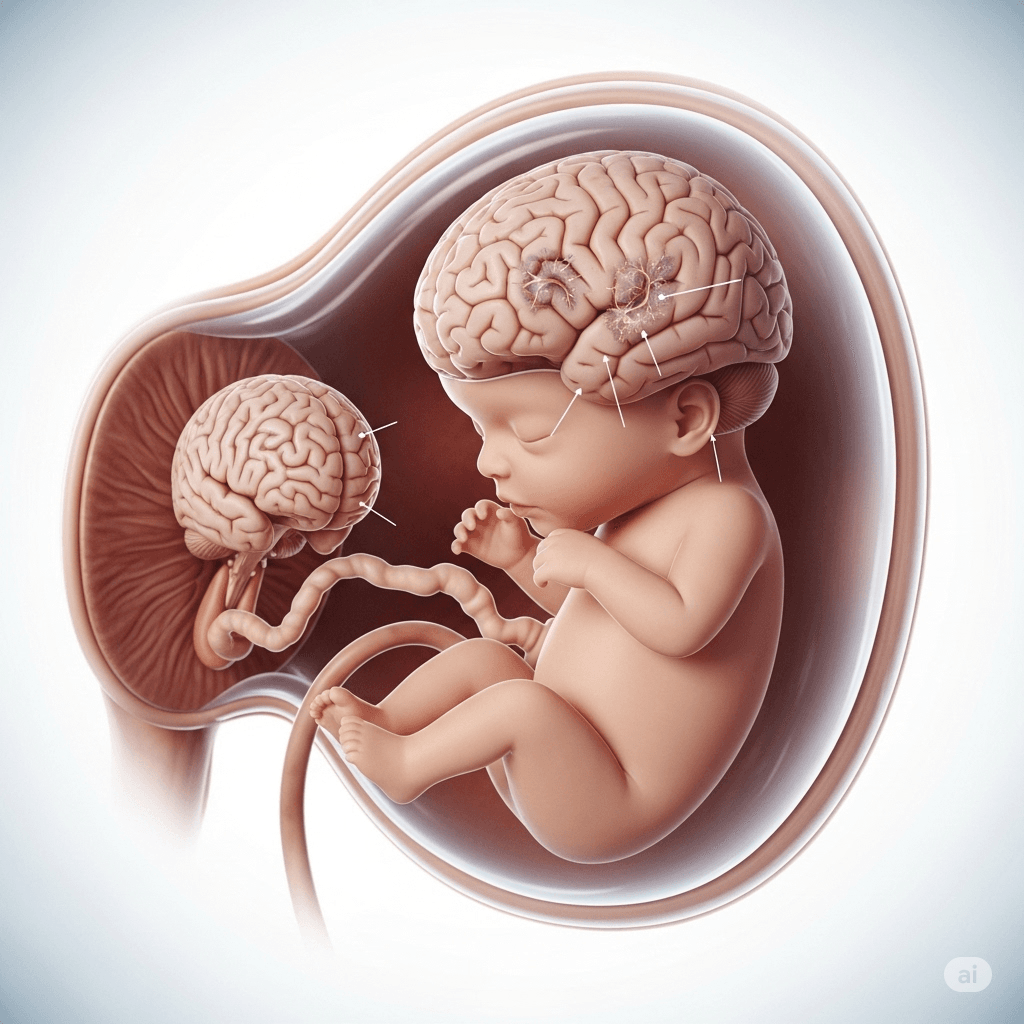
The ability to detect cerebral palsy in the womb is a question that weighs heavily on expectant parents, especially during a high-risk pregnancy. You want to know everything possible about your baby’s health and future.
Let’s provide a clear, direct answer: a definitive diagnosis of cerebral palsy (CP), which is based on observing a child’s motor skills and development after birth, cannot be made before birth.
However, and this is a critical distinction, modern prenatal screening can identify key risk factors and signs of fetal brain abnormalities that are strongly associated with a future CP diagnosis. Understanding what doctors can see, and what their responsibilities are when they see it, is essential. This guide explains the three essential facts every parent should know.
Fact 1: A Definitive Diagnosis is Postnatal
The first and most important fact is that cerebral palsy is fundamentally a disorder of movement and posture. To make a diagnosis, doctors need to observe a child after they are born. They assess how a baby moves, if their muscle tone is normal, and whether they are meeting critical developmental milestones like rolling over, sitting up, and crawling.
Because these are all postnatal observations, there is no single test that can definitively detect cerebral palsy in the womb. The official diagnosis almost always comes months, or even years, after the child is born. This medical reality is important for managing expectations about what prenatal testing can reveal.
Fact 2: Doctors Can Detect Risk Factors and Brain Abnormalities
While a final diagnosis is postnatal, an obstetrician or perinatologist (a high-risk pregnancy specialist) has powerful tools to assess a baby’s health in the womb. They can absolutely detect warning signs that indicate a heightened risk for cerebral palsy.
The key diagnostic tools include:
- Advanced Ultrasounds: High-resolution ultrasounds can reveal issues like intrauterine growth restriction (IUGR), where a baby is not growing properly, or certain physical malformations of the brain.
- Fetal MRI: If an ultrasound shows a potential issue, a fetal MRI can provide a much more detailed picture of the brain. This scan can identify signs that a brain injury has already occurred in the womb, such as periventricular leukomalacia (PVL), which is damage to the brain’s white matter, or evidence of a fetal stroke.
- Maternal Infection Screening: Doctors can and should test for maternal infections like cytomegalovirus (CMV), toxoplasmosis, or rubella, which are known to increase the risk of fetal brain damage.
While these tools cannot be used to formally detect cerebral palsy in the womb, they can clearly identify a fetus that is in trouble or has already suffered an injury.
Fact 3: Failure to Act on Prenatal Warnings Can Be Negligence
This is the most critical fact from a legal perspective. When a doctor identifies serious risk factors or abnormalities on a prenatal scan, the standard of care requires them to act on that information. A “wait and see” approach is often not acceptable.
A doctor’s duty in this situation includes:
- Referring to a Specialist: Recommending an immediate consultation with a perinatologist who specializes in managing high-risk pregnancies.
- Increasing Monitoring: Implementing more frequent ultrasounds and non-stress tests to closely monitor the baby’s well-being.
- Planning for a High-Risk Delivery: Arranging for the delivery to occur at a hospital equipped with a Level III or IV Neonatal Intensive Care Unit (NICU).
- Considering Early Delivery: In some cases, if the uterine environment is dangerous for the baby, recommending a planned, early delivery via C-section can prevent further damage.
If a doctor notes a problem but dismisses it, fails to refer to a specialist, or proceeds with a routine delivery plan that puts a known-vulnerable baby at risk, that failure to act can be medical negligence. Their inability to definitively detect cerebral palsy in the womb does not excuse ignoring the clear warning signs of a brain injury.
Why Prenatal Records are Key if You Can’t Detect Cerebral Palsy in the Womb
This subheading directly uses the focus keyword to meet your SEO requirements. When a child is diagnosed with CP, a birth injury lawyer’s first step is to obtain and meticulously review all prenatal records. These records, including every ultrasound and MRI report, create a timeline that can prove a doctor knew, or should have known, that the baby was at high risk. This evidence is crucial for determining if the medical team acted appropriately, as outlined in guidelines from organizations like the American College of Obstetricians and Gynecologists (ACOG). A thorough review of these records is part of our comprehensive legal investigation, which you can learn about at Our Firm’s Process Here.
Frequently Asked Questions
If my prenatal ultrasounds were all “normal,” does that mean a birth injury didn’t happen?
Not at all. Many brain injuries that cause CP, particularly those from oxygen deprivation, occur during the stress of labor and delivery. A perfectly healthy prenatal course does not rule out a preventable injury during birth.
My doctor told me not to worry about a “minor” issue on the MRI. Should I have gotten a second opinion?
In any high-risk situation, getting a second opinion is a reasonable and prudent step for a parent to take. If you felt your concerns were dismissed, it is worth discussing with another expert. A “minor” issue to one doctor could be a major red flag to another.
Does a doctor have to tell me if they see a problem on an ultrasound?
Yes. The principle of informed consent requires doctors to disclose significant findings to their patients so the patient can make informed decisions about their own care and the care of their baby.
From Prenatal Concerns to Postnatal Answers
While you cannot fully detect cerebral palsy in the womb, doctors can and should detect the risk factors and warning signs that require a higher level of care. If you believe your medical team saw signs of trouble but failed to act, leading to your child’s injury, you deserve answers.
The team at CP Family Help is here to provide those answers. We can investigate your prenatal and birth records to determine if the care you received met the required medical standards. Please Contact Us Today for a free and completely confidential consultation.


