Gait Analysis

Understanding Gait Analysis in Diagnosing and Managing CP

When evaluating and treating children with Cerebral Palsy (CP), few tools offer as much clinical insight as Gait Analysis. This advanced diagnostic method provides a detailed look at how individuals walk uncovering the underlying mechanics of movement that are often disrupted in CP. Gait Analysis isn’t just about walking; it’s about understanding how muscle tone,

Read More
Hypotonia in Cerebral Palsy

Unraveling Hypotonia in Cerebral Palsy: Understanding Low Muscle Tone

When you think of Cerebral Palsy (CP), tight muscles and stiffness might come to mind. But for many children and adults with CP, the story starts differently with muscles that are too relaxed. That condition is called hypotonia, or low muscle tone. It’s one of the earliest signs of CP in infants, and it can

Read More

Building a Comfort Zone: Making Your Home Sensory-Friendly for Your Child with Cerebral Palsy

Our homes should be havens, places where we feel safe, comfortable, and at ease. For children with Cerebral Palsy (Cerebral Palsy), who often experience heightened sensory sensitivities, creating a sensory-friendly home environment can make a world of difference. It’s about understanding how different sensory inputs – light, sound, touch, taste, smell, and even movement and

Read More
Athetosis in cerebral palsy

Understanding Athetosis in Cerebral Palsy: Navigating Involuntary Movements

Cerebral Palsy (CP) encompasses a range of motor disorders, each presenting unique challenges. Athetosis is one such type of involuntary movement disorder characterized by slow, writhing, and often repetitive movements, particularly affecting the hands, feet, arms, legs, and sometimes the face and tongue. Understanding athetosis is crucial for families and individuals living with this form

Read More

Navigating the Legal Process: A Guide to Protecting Your Family

When facing medical malpractice, birth injuries, or other complex legal matters, navigating the legal process can feel overwhelming for families. Understanding each step from filing claims to securing compensation helps protect your rights while reducing stress during difficult times. This guide explains how to navigate the legal process effectively while safeguarding your family’s future. Understanding

Read More
financial compensation

Securing Financial Compensation for Lifelong Care Needs

When a child or loved one requires lifelong care due to a birth injury, disability, or medical negligence, the financial burden can be overwhelming. Financial compensation through legal claims or benefits can provide crucial support for medical bills, therapies, and daily living expenses. This guide explains how to pursue financial compensation, what types are available,

Read More
Medical Negligence

Medical Negligence & Accountability: Know Your Rights

Medical negligence occurs when healthcare providers fail to meet accepted standards of care, causing patient harm. Understanding accountability in these cases is crucial for victims seeking justice and compensation. This guide explains how to identify medical negligence, prove liability, and hold responsible parties accountable for their actions. What Is Medical Negligence? Medical negligence (or malpractice)

Read More
Cerebral Palsy Hypothermia Therapy

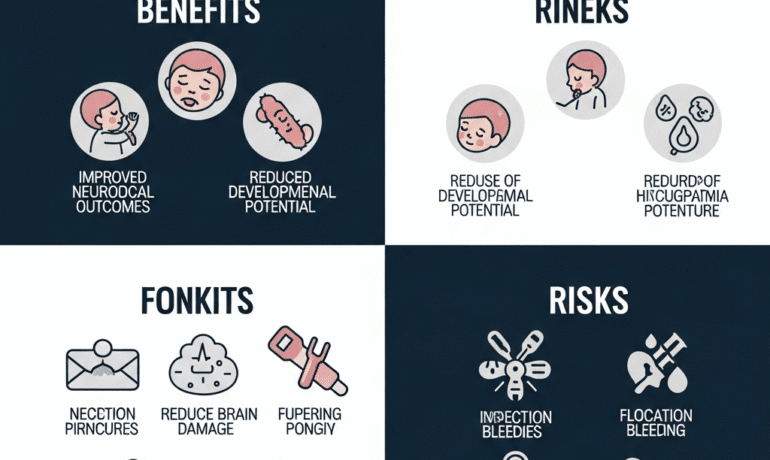
Cerebral Palsy Hypothermia Therapy Benefits & Risks

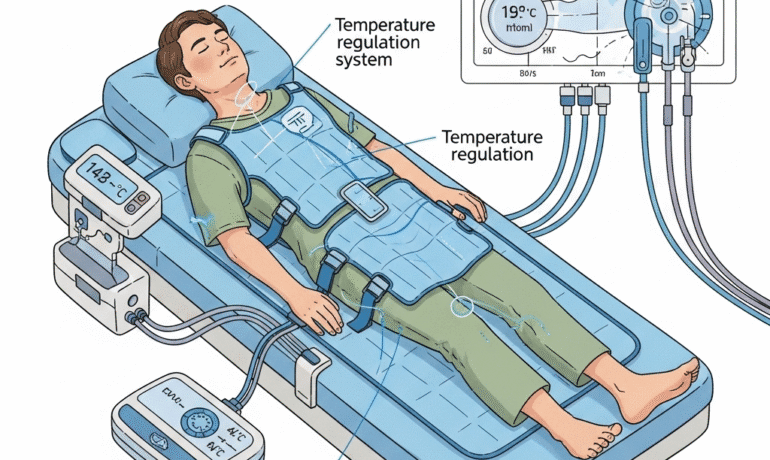
Cerebral Palsy Hypothermia Therapy is offering new hope for families whose newborns are at risk of developing brain injuries at birth. By cooling the infant’s body to a precise temperature, this treatment can slow harmful processes in the brain—possibly preventing the onset of Cerebral Palsy (CP). Let’s dive into how this works, who it can

Read More
Cerebral Palsy Cooling Therapy

Cerebral Palsy Cooling Therapy: What Parents Need to Know

Introduction Cerebral palsy cooling therapy is a significant advancement in neonatal medicine, particularly for infants who have suffered from oxygen deprivation during or shortly after birth. This condition, often referred to as birth asphyxia, can lead to a range of neurological impairments, with cerebral palsy being one of the most severe and long-lasting. Cooling therapy,

Read More