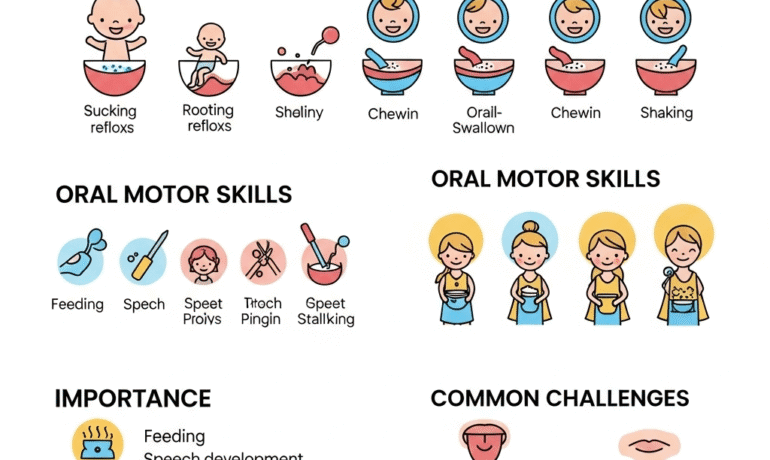
oral motor skill

Managing Oral Motor Skills for Improved Feeding and Speech in CP

For children with Cerebral Palsy (CP), the intricate coordination of the mouth, tongue, jaw, and palate – collectively known as oral motor skills – forms the bedrock of two fundamental aspects of life: feeding and speech. When these skills are challenged due to neurological impairments, the impact can extend far beyond mere mechanics, affecting nutrition,
Read More
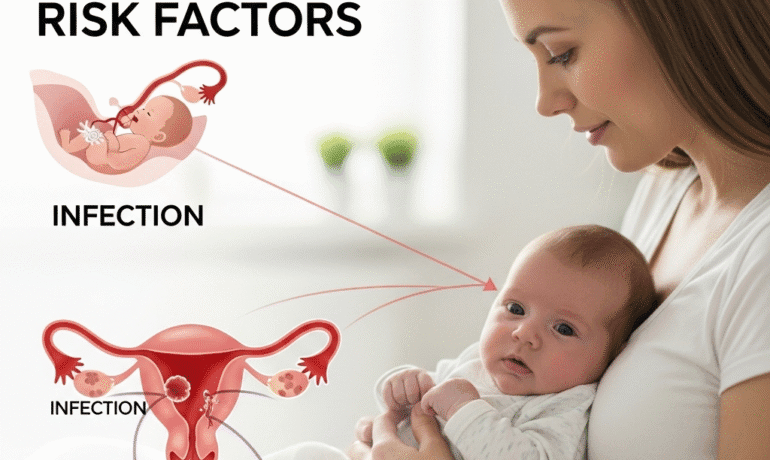
risk factors

The Benefits of Early Communication Intervention for Infants with CP Risk Factors

Infants identified as having risk factors for Cerebral Palsy (CP) – such as premature birth, low birth weight, or hypoxic-ischemic encephalopathy – are also at a heightened risk for communication delays. The period from birth to three years is a critical window for brain development, including the neural pathways underlying communication. Initiating early communication intervention

Read More
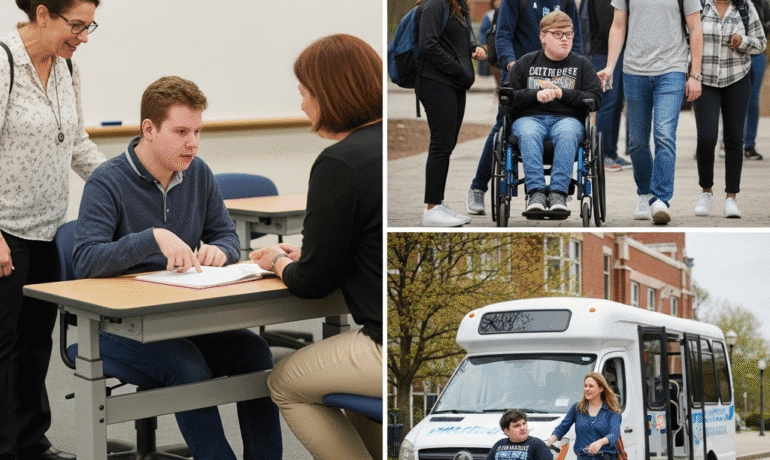
College Planning and Accommodations for Students with CP

College Planning and Accommodations for Students with CP

The journey to higher education is an exciting prospect for many young adults, and students with Cerebral Palsy (CP) are no exception. However, successful College Planning and Accommodations for Students with CP requires proactive preparation, thorough research, and a clear understanding of available support systems. This guide outlines key steps in College Planning and Accommodations

Read More
Anxiety and Depression in Children and Teens with CP

Understanding Anxiety and Depression in Children and Teens with CP

While the physical challenges of Cerebral Palsy (CP) are often the primary focus, it’s crucial to recognize the significant impact this condition can have on the mental and emotional well-being of children and teenagers. Anxiety and Depression in Children and Teens with CP are not uncommon and can significantly affect their quality of life, social

Read More
AI and Machine Learning

AI and Machine Learning in Early Detection of Cerebral Palsy

Cerebral Palsy (CP), a group of permanent movement disorders affecting muscle control and coordination, impacts countless lives. Early detection of CP is paramount, as it unlocks the door to timely interventions, maximizing a child’s potential for development and improving their long-term outcomes. While traditional diagnostic methods rely on clinical observation and neurological assessments, the burgeoning

Read More
Play Spaces

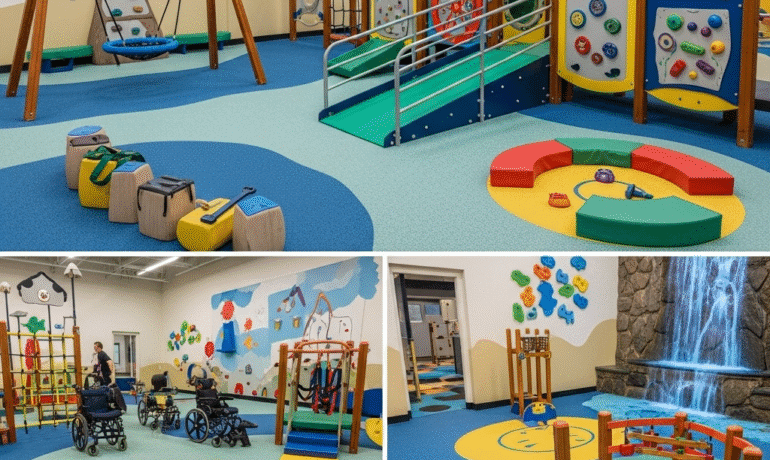
Creating Accessible Play Spaces for Children with Mobility Challenges

Play is fundamental to a child’s development, fostering creativity, social skills, physical abilities, and overall well-being. However, for children with mobility challenges, traditional playgrounds can present significant barriers, limiting their opportunities for fun and interaction. Creating accessible play spaces ensures that all children, regardless of their physical abilities, can participate fully in the joys of

Read More
Accessible Housing

Advocating for Accessible Housing Options for Individuals with Cerebral Palsy

Secure and accessible housing is a fundamental human right, yet for individuals with Cerebral Palsy (CP), finding suitable living arrangements can present significant challenges. Navigating architectural barriers, limited availability of adapted units, and discriminatory practices requires proactive advocacy. This guide explores the importance of accessible housing, the barriers individuals with CP often face, and effective

Read More
surgery

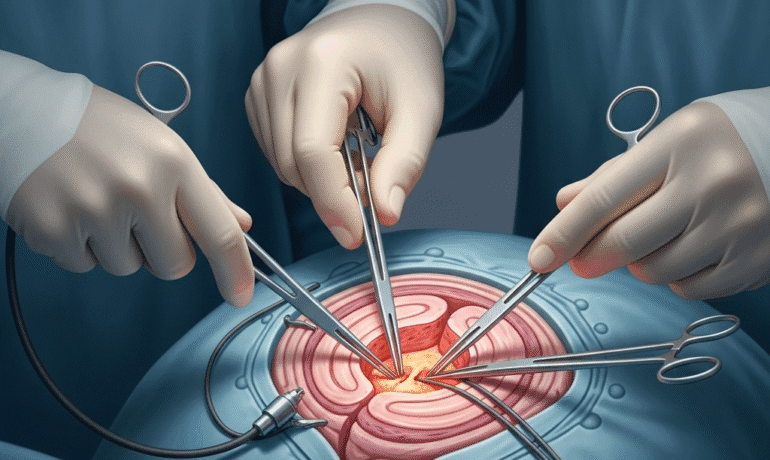
Exploring Surgical Interventions for Managing Spasticity and Contractures in CP

For some individuals with Cerebral Palsy (CP), persistent spasticity (increased muscle tone) can lead to the development of contractures (permanent shortening of muscles and tendons), causing pain, limiting movement, and impacting function. When conservative treatments like therapy, medications, and orthotics are insufficient, surgical interventions may be considered to address these musculoskeletal challenges and improve quality

Read More
Medications

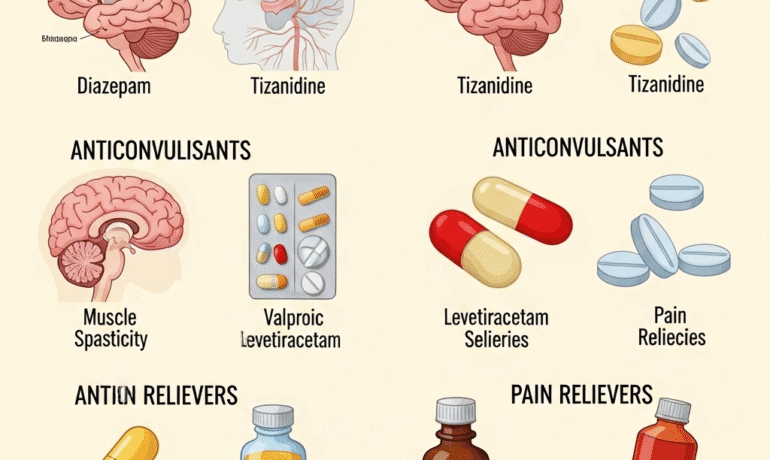
Understanding the Use of Tone-Reducing Medications in CP Management

Spasticity, characterized by increased muscle tone and stiffness, is a common motor impairment in Cerebral Palsy (CP) that can significantly impact movement, posture, comfort, and daily activities. While a comprehensive management approach for CP often includes therapies and assistive devices, medications that help reduce muscle tone play a crucial role in alleviating spasticity and improving

Read More
cp

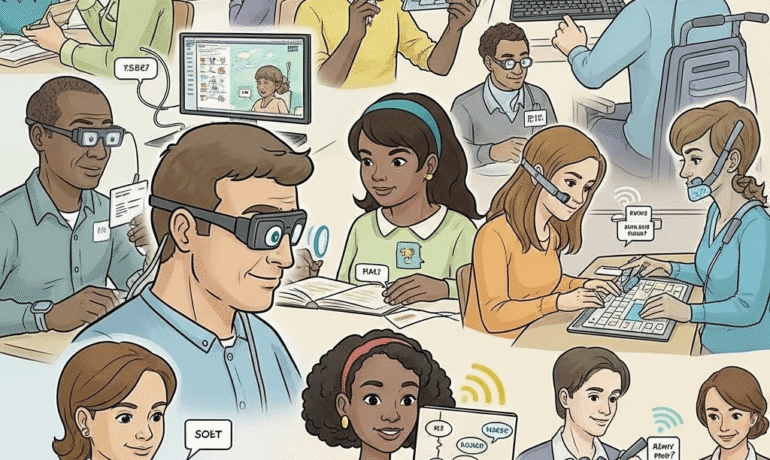
The Role of Technology in Enhancing Communication for Non-Verbal Individuals with CP

For individuals with Cerebral Palsy (CP) who are non-verbal or have limited verbal communication, technology plays a transformative role in bridging communication gaps and fostering connection with the world around them. Augmentative and Alternative Communication (AAC) technologies offer a diverse range of tools and strategies that empower non-verbal individuals with CP to express their thoughts,

Read More